
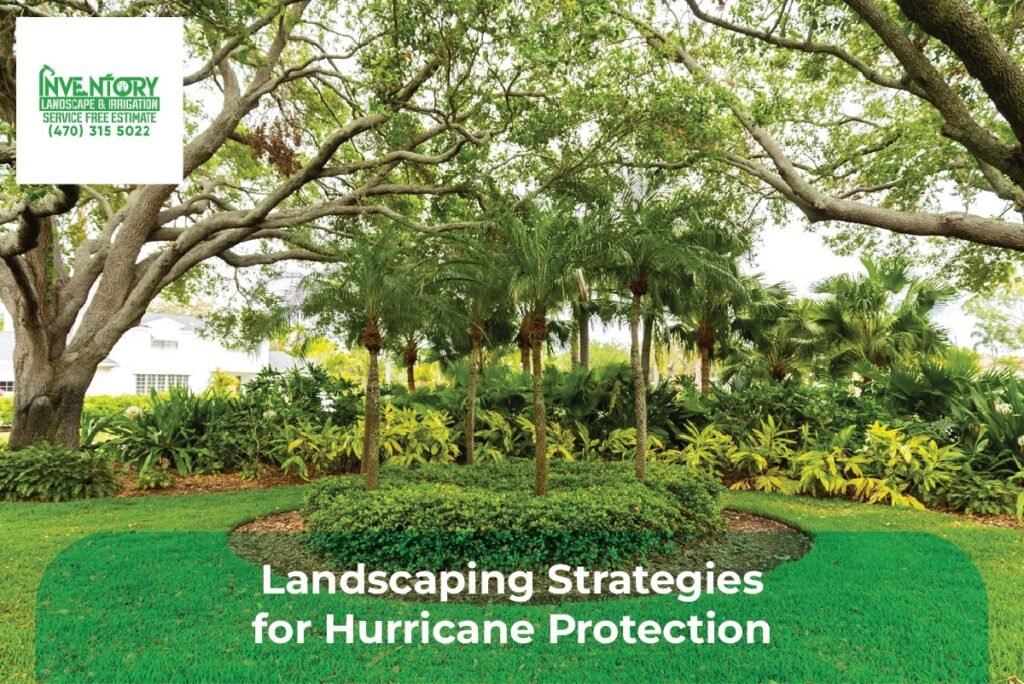
“Hurricanes can turn a peaceful yard into a source of danger, but smart landscaping can make a powerful difference. By planting wind-resistant trees, improving drainage with rain gardens or French drains, and adding durable hardscape features, homeowners can reduce storm damage and flooding. Thoughtful landscape planning not only protects your property but also helps your outdoor space stay strong and beautiful even when severe storms arrive.”
When the sky darkens and hurricane warnings begin flashing across the news, every homeowner feels the same mix of worry and urgency. Hurricanes don’t just threaten roofs and windows; they can completely transform your yard from a peaceful retreat into a source of serious damage.
Trees can fall, soil can wash away, and water can quickly flood areas around your home. But here’s the empowering truth: the right landscaping strategies can turn your yard into a powerful line of defense against hurricanes.
With thoughtful planning, hurricane-resistant plants, smart drainage solutions, and sturdy hardscape features, you can protect your home while still creating a landscape that is beautiful, functional, and resilient.
In this guide, we’ll explore practical and effective landscaping strategies for hurricane protection that help minimize wind damage, prevent flooding, and keep your property safer during severe storms.
Why Hurricanes Can Destroy Your Landscape
Hurricanes unleash multiple destructive forces at once. High winds, heavy rainfall, flooding, and flying debris can quickly overwhelm a poorly designed landscape.
Common ways hurricanes damage yards include:
- High winds snap branches or uproot trees
- Excess rainfall floods lawns and drowns plants
- Soil erosion is washing away mulch and topsoil
- Flying debris is turning loose items into dangerous projectiles
- Poor drainage causing water to pool around foundations
Even a large, healthy tree can become dangerous when winds exceed 100 mph.
Walking around your property and identifying vulnerabilities such as weak trees, low spots that collect water, or loose outdoor items is the first step toward creating a storm-resistant landscape design.
1. Choose Wind-Resistant Trees
One of the most important landscaping decisions for hurricane protection is selecting the right trees.
Trees with deep roots and flexible trunks are far more likely to survive strong winds.
Best Hurricane-Resistant Trees
These species are known for durability during severe storms:
- Live oak
- Sand live oak
- Bald cypress
- Southern magnolia
- Sabal palm (cabbage palm)
- Gumbo limbo
- American holly
- Crape myrtle
These trees bend rather than snap and have strong root systems that hold firmly in the soil.
Trees to Avoid
Some trees are more likely to break or uproot during storms:
- Eucalyptus
- Shallow-rooted ornamental trees
- Fast-growing brittle species
Choosing native hurricane-resistant plants significantly increases the survival rate of your landscape during extreme weather.
2. Plant Trees Strategically for Wind Protection
Where you plant trees is just as important as the species you choose.
Smart Tree Placement Tips
- Plant large trees away from your home and power lines
- Space trees to allow roots to spread properly
- Create clusters of mixed trees to form natural windbreaks
- Avoid planting trees too close to structures
Groups of trees help reduce wind velocity, protecting both your home and other plants in the landscape.
Regular pruning also helps by removing weak branches and reducing canopy density.
3. Use Rain Gardens to Manage Stormwater
During hurricanes, heavy rainfall can overwhelm traditional drainage systems.
A rain garden is a shallow landscaped depression designed to collect and absorb runoff from:
- Roofs
- Driveways
- Slopes
- Walkways
Instead of allowing water to rush toward your home, rain gardens slow the flow and allow moisture to naturally infiltrate the soil.
Plants for Rain Gardens
The best rain garden plants tolerate both wet and dry conditions, such as:
- Native grasses
- Blue flag iris
- Cardinal flower
- Moisture-tolerant shrubs
Rain gardens are not only functional, but they also add color, biodiversity, and visual interest to your yard.
4. Install Smart Drainage Systems
Landscaping for hurricane protection often requires engineered drainage solutions.
Two of the most effective systems include:
French Drains
A French drain consists of:
- A perforated pipe
- Gravel or stone
- Underground drainage channels
This system collects excess water and directs it away from your home.
Bioswales are vegetated drainage channels that guide stormwater through a landscaped pathway.
Bioswales
Benefits include:
- Reduced flooding
- Improved soil stability
- Natural water filtration
- Enhanced landscape beauty
Together, these systems form the backbone of stormwater management landscaping.
5. Proper Yard Grading Prevents Flooding
Sometimes the biggest flooding problem is simply poor grading.
Proper grading ensures water flows away from your home’s foundation, not toward it.
Ideal Landscape Grading
- A 2% slope away from the house
- First 10 feet sloping outward
- No dips or valleys near structures
Even small grading improvements can dramatically reduce the risk of water pooling during heavy storms.
6. Install Hurricane-Resistant Hardscape Features
Plants alone cannot provide complete protection during severe storms.
That’s where hardscape elements become essential.
Retaining Walls
Retaining walls stabilize soil on slopes and redirect water flow.
Best materials include:
- Natural stone
- Reinforced concrete blocks
- Interlocking pavers
These materials can flex slightly without cracking under pressure.
Permeable Pavers
Unlike solid concrete, permeable pavers allow rainwater to drain through small gaps.
Benefits include:
- Reduced runoff
- Better stormwater absorption
- Less flooding
- Improved soil health
Permeable pavers are ideal for patios, driveways, and walkways in hurricane-prone areas.
7. Install Durable Landscape Edging
During hurricanes, heavy rain can wash away mulch and soil.
Strong edging materials help keep landscaping intact.
Recommended options include:
- Steel edging
- Concrete borders
- Stone edging
Avoid lightweight plastic edging, which can easily crack or shift during storms.
8. Maintain Trees and Plants Regularly
Healthy trees are much stronger during storms.
Regular maintenance includes:
- Removing dead branches
- Thinning dense canopies
- Checking for disease
- Monitoring root stability
Preventative care reduces the chance of falling trees and storm debris damage.
9. Secure Loose Landscape Elements
Before hurricane season begins, secure or remove objects that could become airborne.
Common projectiles include:
- Outdoor furniture
- Garden tools
- Decorative pots
- Lightweight planters
Anchoring decorations or storing them safely prevents damage to windows, vehicles, and nearby structures.
10. Work With Landscaping Professionals
Large-scale storm protection projects often require professional expertise.
Consider hiring specialists for:
- Tree removal
- Major pruning
- Drainage system installation
- Retaining wall construction
- Large grading projects
Professional landscapers can also integrate services like lawn care, lawn maintenance, and sprinkler system installation into a comprehensive landscape plan that keeps your property healthy and storm-ready year-round.
Final Thoughts
Hurricanes are powerful forces of nature, but thoughtful landscaping can dramatically reduce the damage they cause.
By combining wind-resistant trees, proper drainage systems, smart grading, and durable hardscape features, you can transform your yard into a protective barrier rather than a vulnerability.
More importantly, hurricane-resistant landscaping allows you to protect your home, safeguard your family, and preserve the beauty of your outdoor space even when storms arrive.
Preparation today can mean the difference between costly repairs and a yard that stands strong through the toughest weather.
FAQs
A: The best plants are native species with deep root systems and flexible stems. Examples include live oaks, palm trees, native grasses, gumbo limbo, and southern magnolia.
These plants bend during strong winds instead of breaking and typically recover faster after storms.
A: Landscaping can prevent flooding by directing water away from structures. Techniques include rain gardens, French drains, bioswales, proper grading, and permeable pavers that allow rainwater to soak into the ground.
A: Large trees should typically be planted at least 15–20 feet away from structures. This reduces the risk of falling branches or uprooted trees damaging the home during high winds.
A: Ideally, landscape preparation should start 2–3 months before hurricane season. This allows enough time for pruning, drainage improvements, and structural landscape upgrades.
A: Yes. Rain gardens capture and absorb excess stormwater, reducing runoff and minimizing flooding around homes. When properly sized, they can significantly improve landscape drainage during heavy rainfall.